
Short Hindi Bedtime Stories for Kids (with English Translation)
A short Hindi story at bedtime is an easy way to keep Hindi part of your child's day. The five original stories below are written for children aged about 3 to 8. Each one is given three ways: in simple Hindi (Devanagari), in Roman-script transliteration for parents who don't read Devanagari, and in English, so everyone can follow along.
Prefer to listen in Hindi? Families who'd like stories narrated in Hindi can listen on Cocoloops, where stories are available in Hindi as well as English. Every new account gets a 7-day free trial, no card required.
5 Short Hindi Bedtime Stories for Kids
1. चतुर कौआ और पत्ते की छतरी (The Clever Crow and the Leaf Umbrella)
हिंदी:
कालू कौआ बहुत चतुर था। एक दिन ज़ोर से बारिश होने लगी। पेड़ पर चिड़िया का छोटा-सा घोंसला भीगने लगा। "मेरे बच्चे ठंड से काँप रहे हैं!" चिड़िया ने कहा।
कालू ने इधर-उधर देखा। पास में एक बड़ा-सा पत्ता पड़ा था। उसने पत्ते को चोंच में पकड़ा और घोंसले के ऊपर रख दिया। पत्ता छतरी बन गया! बारिश टप-टप गिरती रही, पर घोंसला सूखा रहा।
"धन्यवाद, कालू भैया!" चिड़िया ने कहा। उस रात चिड़िया के बच्चे पत्ते की छतरी के नीचे आराम से सो गए।
Transliteration:
Kaalu kauaa bahut chatur tha. Ek din zor se baarish hone lagi. Ped par chidiya ka chhota-sa ghonsla bheegne laga. "Mere bachche thand se kaanp rahe hain!" chidiya ne kaha.
Kaalu ne idhar-udhar dekha. Paas mein ek bada-sa patta pada tha. Usne patte ko chonch mein pakda aur ghonsle ke oopar rakh diya. Patta chhatri ban gaya! Baarish tap-tap girti rahi, par ghonsla sookha raha.
"Dhanyavaad, Kaalu bhaiya!" chidiya ne kaha. Us raat chidiya ke bachche patte ki chhatri ke neeche aaraam se so gaye.
English:
Kalu the crow was very clever. One day, it started to rain hard. The sparrow's tiny nest in the tree began to get wet. "My babies are shivering with cold!" said the sparrow.
Kalu looked around. Nearby lay a big leaf. He held the leaf in his beak and placed it over the nest. The leaf became an umbrella! The rain kept falling, tap-tap, but the nest stayed dry.
"Thank you, Kalu bhaiya!" said the sparrow. That night, her babies slept snugly under the leaf umbrella.
Words to learn: चतुर (chatur) clever · पत्ता (patta) leaf · छतरी (chhatri) umbrella
2. मोती हाथी का बड़ा दिल (Moti the Elephant's Big Heart)
हिंदी:
मोती हाथी जंगल में रहता था। वह बहुत बड़ा था, पर उसका दिल और भी बड़ा था। एक शाम बहुत बारिश हुई और नदी में पानी बढ़ गया। खरगोश, गिलहरी और चूहा नदी के उस पार रह गए। "अब हम घर कैसे जाएँगे?" खरगोश ने पूछा।
"डरो मत," मोती ने कहा। उसने अपनी सूँड से तीनों को उठाया और अपनी पीठ पर बिठा लिया। छप, छप, छप! मोती ने आराम से नदी पार कर ली।
"धन्यवाद, मोती दादा!" सबने कहा। मोती मुस्कुराया, "दोस्त एक-दूसरे की मदद के लिए ही तो होते हैं।" फिर सब अपने-अपने घर जाकर चैन से सो गए।
Transliteration:
Moti haathi jangal mein rehta tha. Woh bahut bada tha, par uska dil aur bhi bada tha. Ek shaam bahut baarish hui aur nadi mein paani badh gaya. Khargosh, gilahari aur chooha nadi ke us paar reh gaye. "Ab hum ghar kaise jaayenge?" khargosh ne poochha.
"Daro mat," Moti ne kaha. Usne apni soond se teenon ko uthaaya aur apni peeth par bitha liya. Chhap, chhap, chhap! Moti ne aaraam se nadi paar kar li.
"Dhanyavaad, Moti Dada!" sabne kaha. Moti muskuraaya, "Dost ek-doosre ki madad ke liye hi to hote hain." Phir sab apne-apne ghar jaakar chain se so gaye.
English:
Moti the elephant lived in the jungle. He was very big, but his heart was even bigger. One evening it rained a lot, and the river rose. Rabbit, Squirrel and Mouse were stuck on the other side. "How will we get home now?" asked Rabbit.
"Don't be afraid," said Moti. He lifted all three with his trunk and sat them on his back. Splash, splash, splash! Moti crossed the river easily.
"Thank you, Moti Dada!" they all said. Moti smiled. "That's what friends are for, to help each other." Then everyone went home and slept peacefully.
Words to learn: हाथी (haathi) elephant · नदी (nadi) river · दोस्त (dost) friend
3. लड्डू बाँटने की खुशी (The Joy of Sharing Laddoos)
हिंदी:
नानी ने रिया को चार गोल-गोल लड्डू दिए। "वाह! चारों मेरे!" रिया ने सोचा। तभी उसके तीन दोस्त खेलने आ गए: आरव, ज़ोया और छोटू।
रिया ने लड्डुओं को देखा। फिर अपने दोस्तों को देखा। "आओ, साथ में खाते हैं!" उसने कहा, और सबको एक-एक लड्डू दिया।
आरव ने अपने अमरूद बाँटे। ज़ोया ने अपनी तस्वीरों वाली किताब दिखाई। छोटू ने एक मज़ेदार गाना गाया। रिया खिलखिलाकर हँसी, "मैंने तीन लड्डू बाँटे, और मुझे इतना कुछ मिल गया!"
नानी मुस्कुराईं, "बाँटने से खुशी बढ़ती है, बिटिया।" उस रात रिया मीठे सपने देखते हुए सो गई।
Transliteration:
Naani ne Riya ko chaar gol-gol laddoo diye. "Waah! Chaaron mere!" Riya ne socha. Tabhi uske teen dost khelne aa gaye: Aarav, Zoya aur Chhotu.
Riya ne ladduon ko dekha. Phir apne doston ko dekha. "Aao, saath mein khaate hain!" usne kaha, aur sabko ek-ek laddoo diya.
Aarav ne apne amrood baante. Zoya ne apni tasveeron waali kitaab dikhaayi. Chhotu ne ek mazedaar gaana gaaya. Riya khilkhilaakar hansi, "Maine teen laddoo baante, aur mujhe itna kuchh mil gaya!"
Naani muskuraayin, "Baantne se khushi badhti hai, bitiya." Us raat Riya meethe sapne dekhte hue so gayi.
English:
Nani gave Riya four round laddoos. "Wow! All four are mine!" Riya thought. Just then, her three friends came to play: Aarav, Zoya and Chhotu.
Riya looked at the laddoos. Then she looked at her friends. "Come, let's eat together!" she said, and gave everyone one laddoo each.
Aarav shared his guavas. Zoya showed her picture book. Chhotu sang a funny song. Riya giggled. "I shared three laddoos, and I got so much back!"
Nani smiled. "Sharing makes happiness grow, my dear." That night, Riya fell asleep dreaming sweet dreams.
Words to learn: बाँटना (baantna) to share · दोस्त (dost) friend · खुशी (khushi) happiness
4. दिवाली का दीया (The Diwali Lamp)
हिंदी:
दिवाली की शाम थी। कबीर ने दादी के साथ मिट्टी के दीये जलाए। एक, दो, तीन, चार... पूरा आँगन जगमगा उठा। तभी ज़ोर की हवा चली, और एक दीया बुझ गया।
कबीर उदास हो गया। "दादी, मेरा दीया बुझ गया।" दादी ने कहा, "कोई बात नहीं। इसे दूसरे दीये से जला लो।"
कबीर ने जलते हुए दीये से बुझा हुआ दीया जलाया। अब दोनों दीये चमक रहे थे। "देखा?" दादी बोलीं, "रोशनी बाँटने से कम नहीं होती।"
फिर कबीर ने पड़ोस वाली दीदी का दीया भी जला दिया। रात को वह खिड़की से जगमगाते दीयों को देखते-देखते सो गया।
Transliteration:
Diwali ki shaam thi. Kabir ne Daadi ke saath mitti ke diye jalaaye. Ek, do, teen, chaar... poora aangan jagmaga utha. Tabhi zor ki hawa chali, aur ek diya bujh gaya.
Kabir udaas ho gaya. "Daadi, mera diya bujh gaya." Daadi ne kaha, "Koi baat nahin. Ise doosre diye se jala lo."
Kabir ne jalte hue diye se bujha hua diya jalaaya. Ab dono diye chamak rahe the. "Dekha?" Daadi boleen, "Roshni baantne se kam nahin hoti."
Phir Kabir ne pados waali Didi ka diya bhi jala diya. Raat ko woh khidki se jagmagaate diyon ko dekhte-dekhte so gaya.
English:
It was Diwali evening. Kabir lit clay lamps with his grandmother. One, two, three, four… the whole courtyard sparkled with light. Then a strong wind blew, and one lamp went out.
Kabir felt sad. "Dadi, my lamp went out." Dadi said, "Never mind. Light it from another lamp."
Kabir used a burning lamp to light the one that had gone out. Now both lamps were shining. "See?" said Dadi. "Light doesn't get smaller when you share it."
Then Kabir lit the lamp of the girl next door too. That night, he fell asleep watching the glowing lamps through his window.
Words to learn: दीया (diya) clay lamp · रोशनी (roshni) light · दादी (daadi) grandmother (father's mother)
5. मिंटू मेंढक और बारिश (Mintu the Frog and the Rain)
हिंदी:
मिंटू मेंढक एक छोटे तालाब में रहता था। गर्मी बहुत थी, और तालाब का पानी कम होता जा रहा था। मिंटू रोज़ आसमान की ओर देखता और पूछता, "बादल भैया, तुम कब आओगे?"
फिर एक दिन काले-काले बादल आए। गड़-गड़! बादल गरजे। टप, टप, टप! बारिश आ गई! मिंटू खुशी से उछला, "टर्र-टर्र! बारिश आई, बारिश आई!" मोर नाचने लगा, पेड़ हरे-भरे हो गए, और तालाब फिर से भर गया।
रात को भी बारिश धीरे-धीरे गिरती रही: टप... टप... टप... मिंटू कमल के पत्ते पर लेट गया और बारिश की लोरी सुनते-सुनते सो गया।
Transliteration:
Mintu mendhak ek chhote taalaab mein rehta tha. Garmi bahut thi, aur taalaab ka paani kam hota ja raha tha. Mintu roz aasmaan ki or dekhta aur poochhta, "Baadal bhaiya, tum kab aaoge?"
Phir ek din kaale-kaale baadal aaye. Gad-gad! Baadal garje. Tap, tap, tap! Baarish aa gayi! Mintu khushi se uchhla, "Tarr-tarr! Baarish aayi, baarish aayi!" Mor naachne laga, ped hare-bhare ho gaye, aur taalaab phir se bhar gaya.
Raat ko bhi baarish dheere-dheere girti rahi: tap... tap... tap... Mintu kamal ke patte par let gaya aur baarish ki lori sunte-sunte so gaya.
English:
Mintu the frog lived in a small pond. It was very hot, and the pond was drying up. Every day Mintu looked at the sky and asked, "Brother Cloud, when will you come?"
Then one day, big dark clouds arrived. Rumble, rumble! went the thunder. Tap, tap, tap! The rain came! Mintu jumped for joy. "Tarr-tarr! The rain is here, the rain is here!" The peacock began to dance, the trees turned green, and the pond filled up again.
All night the rain kept falling softly: tap… tap… tap… Mintu lay down on a lotus leaf and fell asleep listening to the rain's lullaby.
Words to learn: मेंढक (mendhak) frog · बारिश (baarish) rain · बादल (baadal) cloud
Tips for NRI and Diaspora Parents
For many families abroad, Hindi is a heritage language: one children hear at home but rarely at school.
- English first, then Hindi. Knowing the story lets your child guess the meaning of new words instead of feeling lost. This approach is sometimes called parallel stories.
- One story, many nights. Repeat the same story for a week. By the third or fourth night, your child may start saying the sounds and words with you.
- Act out the sounds. Tap-tap, chhap-chhap, tarr-tarr. Sound words are fun and easy to remember.
- Pick three words. Use the "words to learn" during the next day: patta in the park, baarish on a rainy day, diya at Diwali.
- Invite grandparents. Ask Nani, Dadi or another relative to read one story on a video call. Hearing a familiar voice makes Hindi feel warm and personal.
- Don't insist on Hindi answers. If your child replies in English, that's fine. Repeat their answer back in Hindi with a smile. Understanding usually comes before speaking.
For a fuller guide, see Hindi audio stories for kids growing up abroad.
Hindi Stories on Cocoloops
Cocoloops is an ad-free audio story app for children aged 2–12. The same stories are available in English, Hindi, Spanish, French, German and Italian, narrated with AI voices, and every chapter is proofread by native-speaking teachers and language experts.
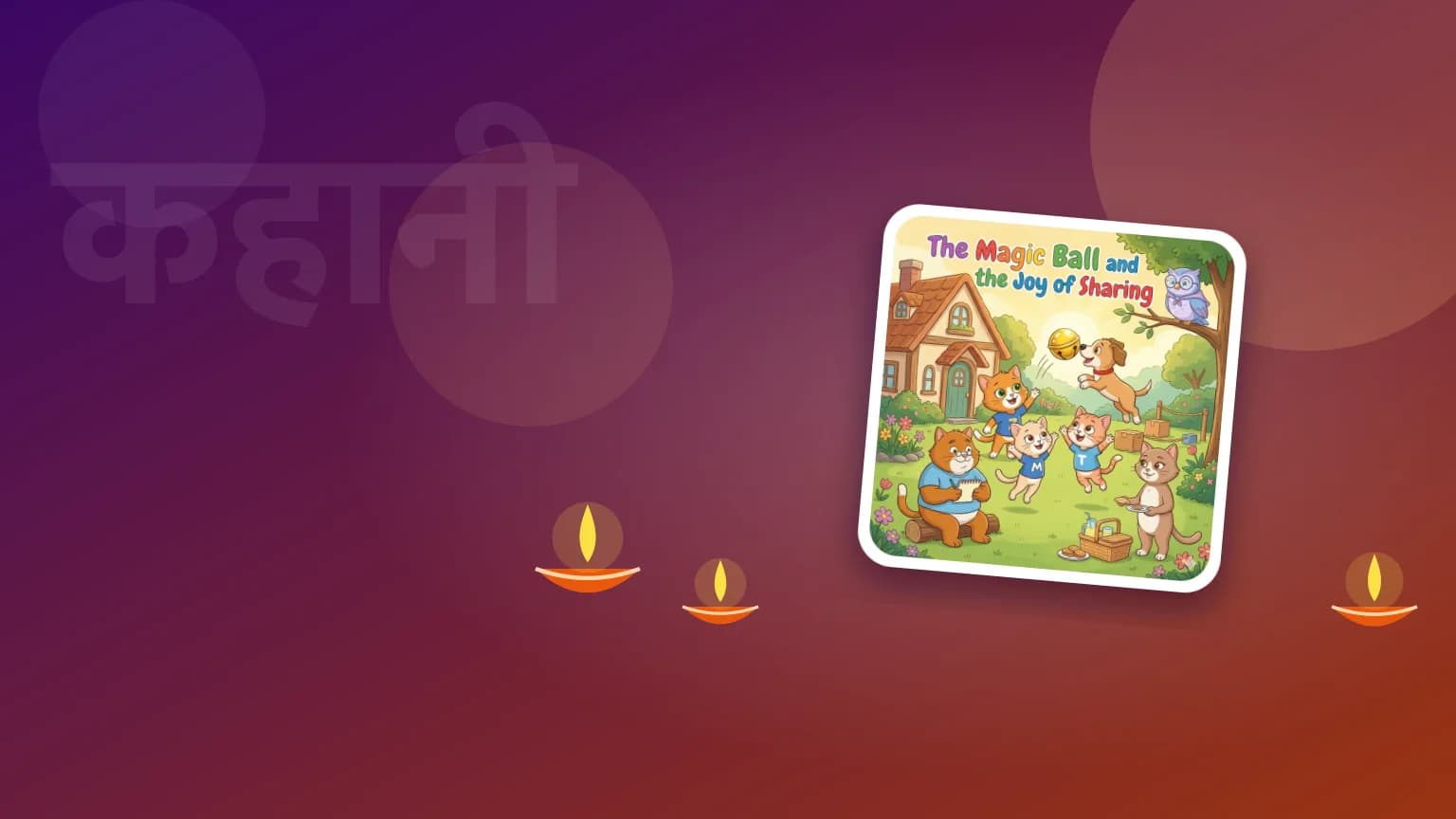
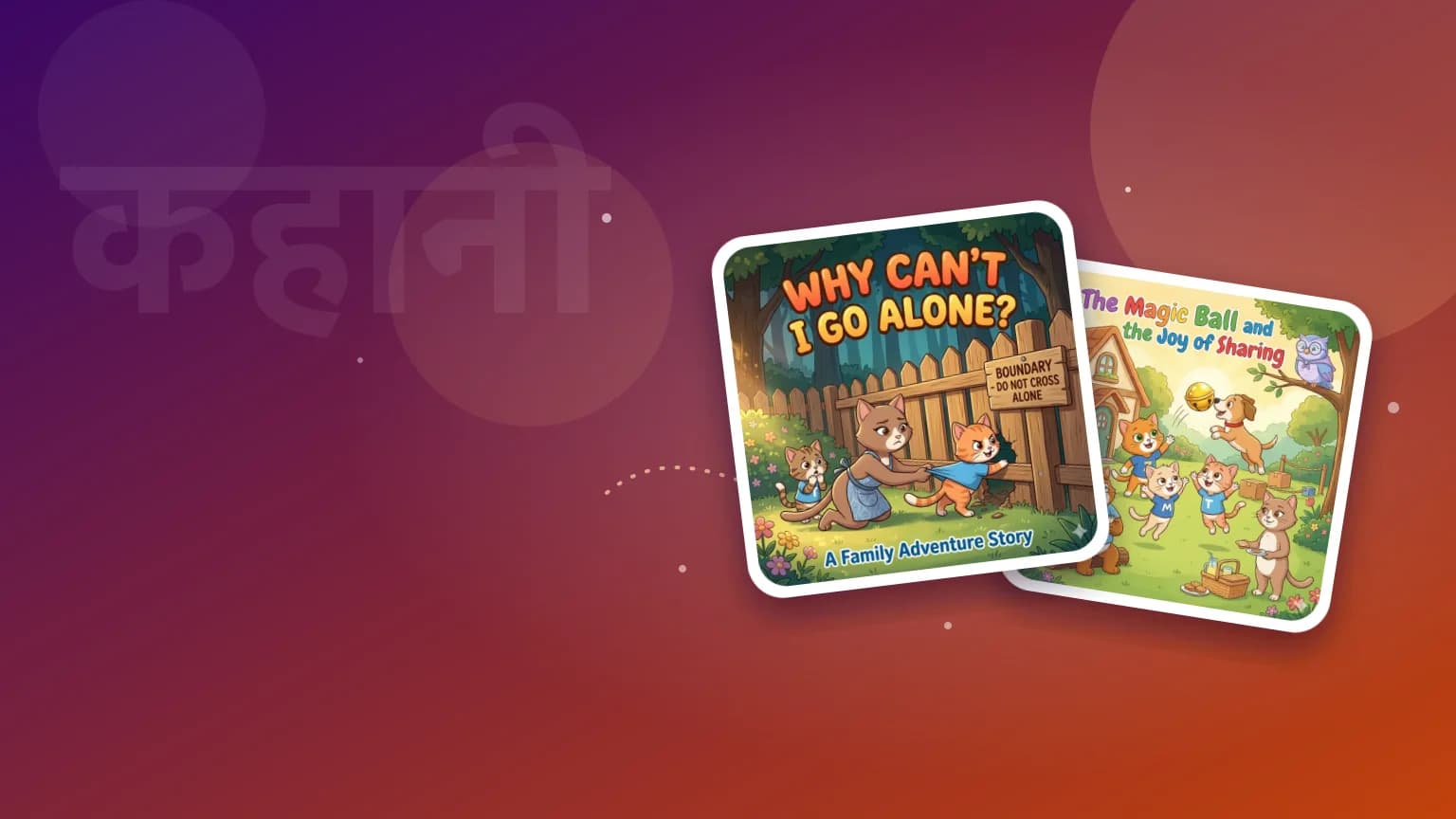
Try Why Can't I Go Alone or The Magic Ball and the Joy of Sharing, each about 17 minutes in five chapters, in English and Hindi. Listen in a web browser or on the Android app, which supports offline downloads for trips to India; iOS is coming soon. Every new account gets a 7-day free trial with full access, no card required.
Keep reading: Hindi audio stories for kids growing up abroad · the same story in six languages · bedtime stories for 4 year olds
Frequently Asked Questions
What are good short Hindi bedtime stories for kids?
Good short Hindi bedtime stories use simple words, short sentences and familiar settings, such as animals, rain, festivals and family. Stories about a clever crow, a kind elephant, sharing laddoos or Diwali lamps work well for children aged 3 to 8.
Should I read Hindi stories to my child if they only speak English?
Yes. Read the story in English first so your child knows what happens, then read it in Hindi. Even children who don't speak Hindi yet can pick up words and sounds when the story is familiar.
I can't read Devanagari. Can I still read these stories?
Yes. Each story has a Roman-script transliteration, so you can read the Hindi aloud without knowing the Devanagari script.
Related reading:
Tags
Related Posts
All posts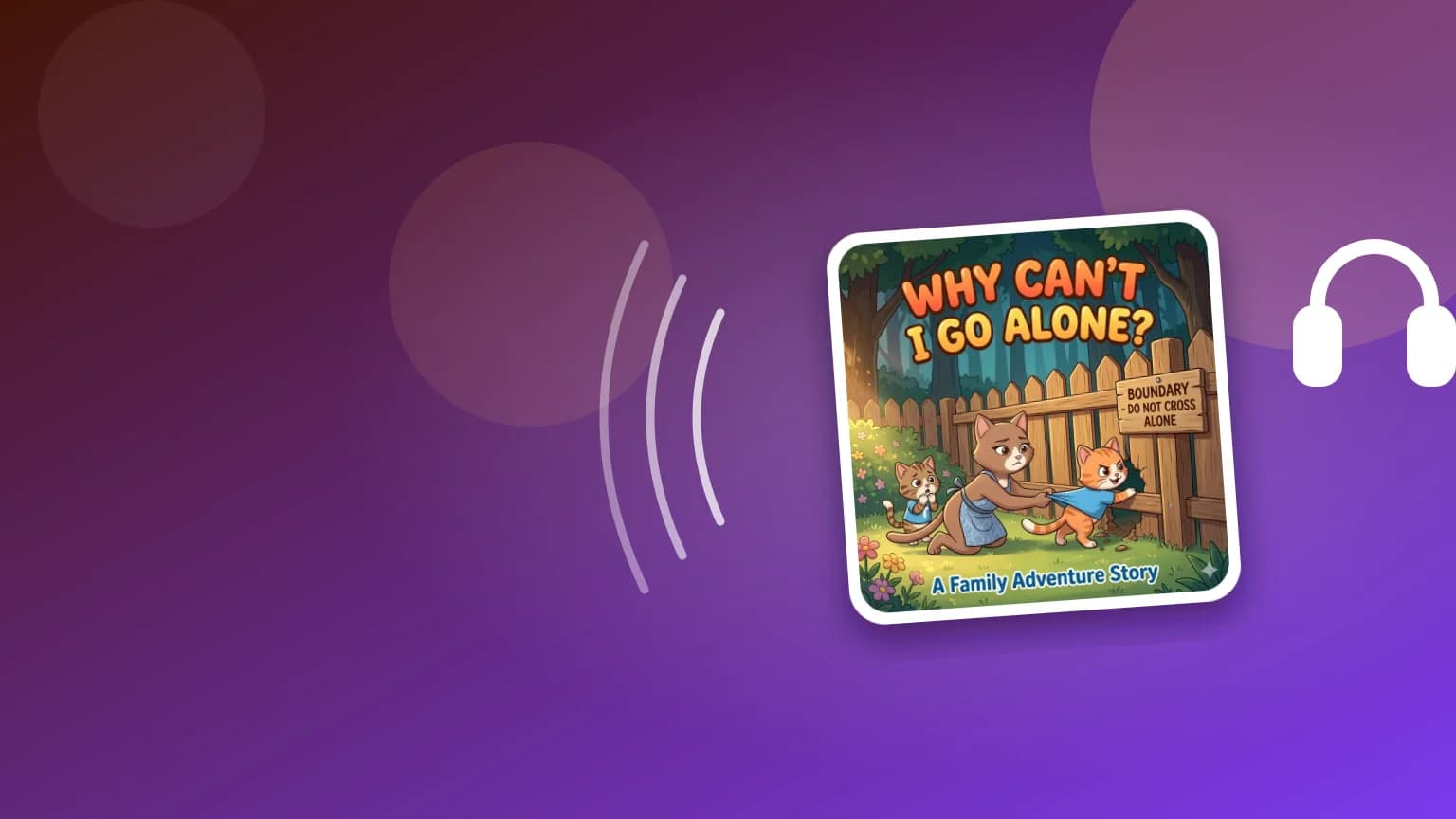
Language Learning
Audible for Kids Alternatives: Cocoloops vs Audible vs Epic (and Libby for Free)
Language Learning
Cocoloops vs Yoto vs Dinolingo: Which Is Best for Kids Learning Languages Through Stories?
Language Learning
Hindi Audio Stories for Kids Growing Up Abroad: A Practical Guide for NRI Parents
Newsletter
Get new stories & tips in your inbox
Parenting tips, audiobook picks, language learning — weekly.
